
Conditions We Treat
Sensitive, multidisciplinary support for children and young people experiencing thoughts about death, suicide or not wanting to live.
Book a Session
30 min consultation
You'll receive a confirmation by email.
Understanding Suicidal Ideation
Suicidal ideation refers to thoughts about ending one's life. These can range from passive thoughts about not wanting to live to active thoughts involving suicidal intent or planning.
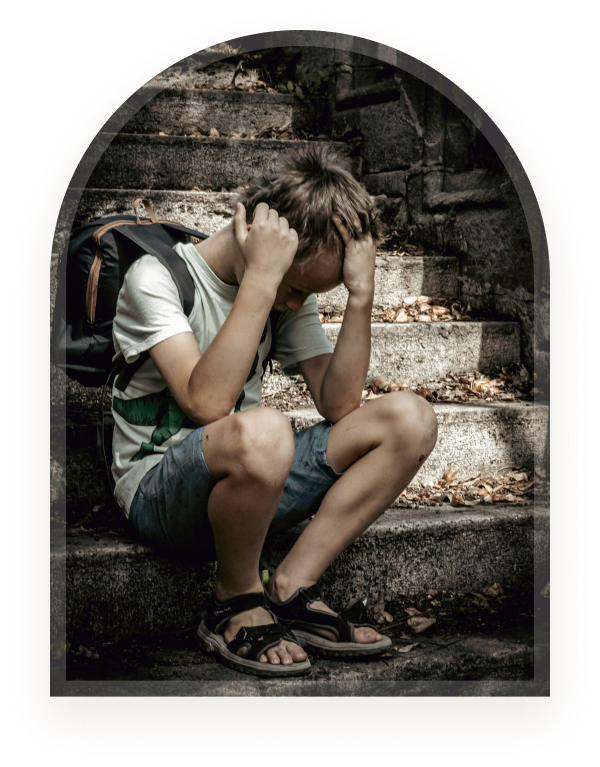
A young person experiencing these thoughts may feel overwhelmed, hopeless or unable to see another way through their current situation.
Asking calmly and directly about suicidal thoughts does not introduce the idea. It can give the young person an opportunity to explain what they are experiencing and access appropriate support.
Possible Signs
These signs do not always mean that a young person is suicidal, but they should be taken seriously and explored sensitively.

Responding to Suicidal Thoughts
If a child or young person shares suicidal thoughts, remain calm, listen without judgement and take what they say seriously. Do not leave them alone if you believe there is an immediate risk.
Avoid criticism, punishment or promises to keep suicidal thoughts secret. Explain that appropriate adults and professionals may need to be involved to help keep them safe. Suicidal thoughts may occur alongside depression, anxiety, trauma, self-harm, emotional dysregulation or other mental health difficulties.
Our Approach
For non-emergency concerns, Hiba by Anthalora provides sensitive clinical support focused on understanding the young person's emotional wellbeing, circumstances and level of risk.
Care may involve psychiatry, psychology, mental health nursing and other relevant disciplines. Depending on the young person's needs, support may include psychological therapy, family guidance, risk monitoring and collaborative safety planning.
The recommended level of care will be determined by the young person's individual needs and safety requirements.
Book a Consultation
Urgent and Crisis Support
Hiba by Anthalora is an outpatient service and does not provide emergency or crisis intervention.
If a child or young person has an active suicide plan, access to a method, has attempted suicide, cannot remain safe or requires urgent medical or psychiatric attention, contact the appropriate UAE emergency service or attend the nearest emergency department immediately. Do not leave them alone, and do not wait for an outpatient consultation in an emergency.
The Clinical Pathway
Every family receives a clear and structured journey, from the first referral through to personalised intervention and ongoing progress reviews.
A family, GP or school gets in touch. We listen carefully and gently open the door to support.

Let's Connect
If you are concerned about suicidal thoughts but the child or young person is not in immediate danger, speak with our team about the care and support options available.


