
Clinical Services
Specialist assessments for children and young people experiencing mental health, neurodevelopmental, communication, sensory, cognitive or learning difficulties. Our multidisciplinary team works with each child and their family to develop a clearer understanding of their strengths, needs and appropriate next steps.

Our Philosophy
An assessment may be considered when a child is experiencing difficulties that affect their wellbeing, development, communication, learning, relationships or everyday functioning.
At Hiba by Anthalora, assessments are selected according to the child's individual presentation and the questions being explored. Depending on their needs, the process may involve one clinician or input from several members of our multidisciplinary team.
An assessment does not automatically result in a diagnosis. Its purpose is to develop a clearer understanding of the child's needs and provide appropriate recommendations.
Explore Our Assessments
An assessment exploring a child's learning profile, academic participation and school-based needs to help inform appropriate educational recommendations.
Explore Educational Assessments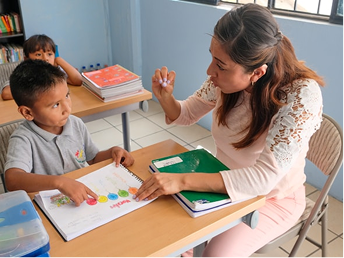

A multidisciplinary assessment exploring social communication, interaction, behaviour, development and sensory experiences where autism may be considered.
Explore Autism Assessments
A structured assessment exploring attention, activity levels, impulsivity, executive functioning and how these may affect the child across different settings.
Explore ADHD Assessments
An integrated assessment for children and young people presenting with characteristics that may be associated with both autism and ADHD.
Explore Combined Assessments
A standardised assessment exploring areas of cognitive functioning, which may include verbal understanding, reasoning, working memory and processing speed.
Explore Cognitive Assessments
An assessment exploring persistent difficulties with academic skills such as reading, writing, spelling or mathematics, including difficulties associated with dyslexia or dyscalculia.
Explore Learning Difficulty Assessments
A clinical assessment exploring emotional, behavioural and psychological concerns such as anxiety, low mood, OCD, trauma-related difficulties or emotional dysregulation.
Explore Mental Health Assessments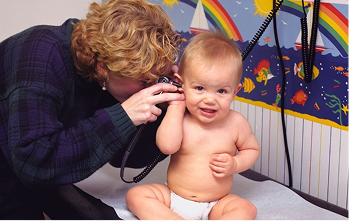
An assessment exploring how a child responds to and manages sensory information and how this may affect regulation, participation and everyday routines.
Explore Sensory Processing Assessments
An assessment exploring sensory processing, motor skills, emotional regulation, attention, executive functioning, independence and participation in daily activities.
Explore Occupational Assessments
An assessment exploring speech, expressive and receptive language, social communication and how a child communicates across different environments.
Explore Speech & Language AssessmentsWhich Assessment Does My Child Need?
Families do not need to know which assessment is required before contacting Hiba by Anthalora. Our team will review the information you provide and discuss the most appropriate starting point. In some cases, an initial clinical consultation may be recommended before a specific assessment is arranged. The recommended assessment will depend on:
Mental Health
Psychiatry
Occupational
Mental Health
Speech
Education
Psychology
Our Multidisciplinary Approach
Some children may benefit from input across more than one clinical discipline. Depending on the assessment, the process may involve: Relevant professionals work together to consider the child's emotional, behavioural, developmental, communication, sensory and educational needs.
The specialists involved will depend on the purpose and scope of the assessment.
Explore Our Clinical ServicesInformation From Families and Schools
A child may present differently at home, at school and in clinical settings. With appropriate consent, the assessment process may include information from:
This information helps clinicians understand how the child's strengths and difficulties affect different areas of daily life.

After the Assessment
Following the assessment, the child and family will receive feedback explaining the findings and recommendations. Depending on the outcome, next steps may include:
An assessment does not mean that ongoing clinical intervention will always be required.
View Our Clinical ServicesThe Clinical Pathway
Every family receives a clear and structured journey, from the first referral through to personalised intervention and ongoing progress reviews.
A family, GP or school gets in touch. We listen carefully and gently open the door to support.
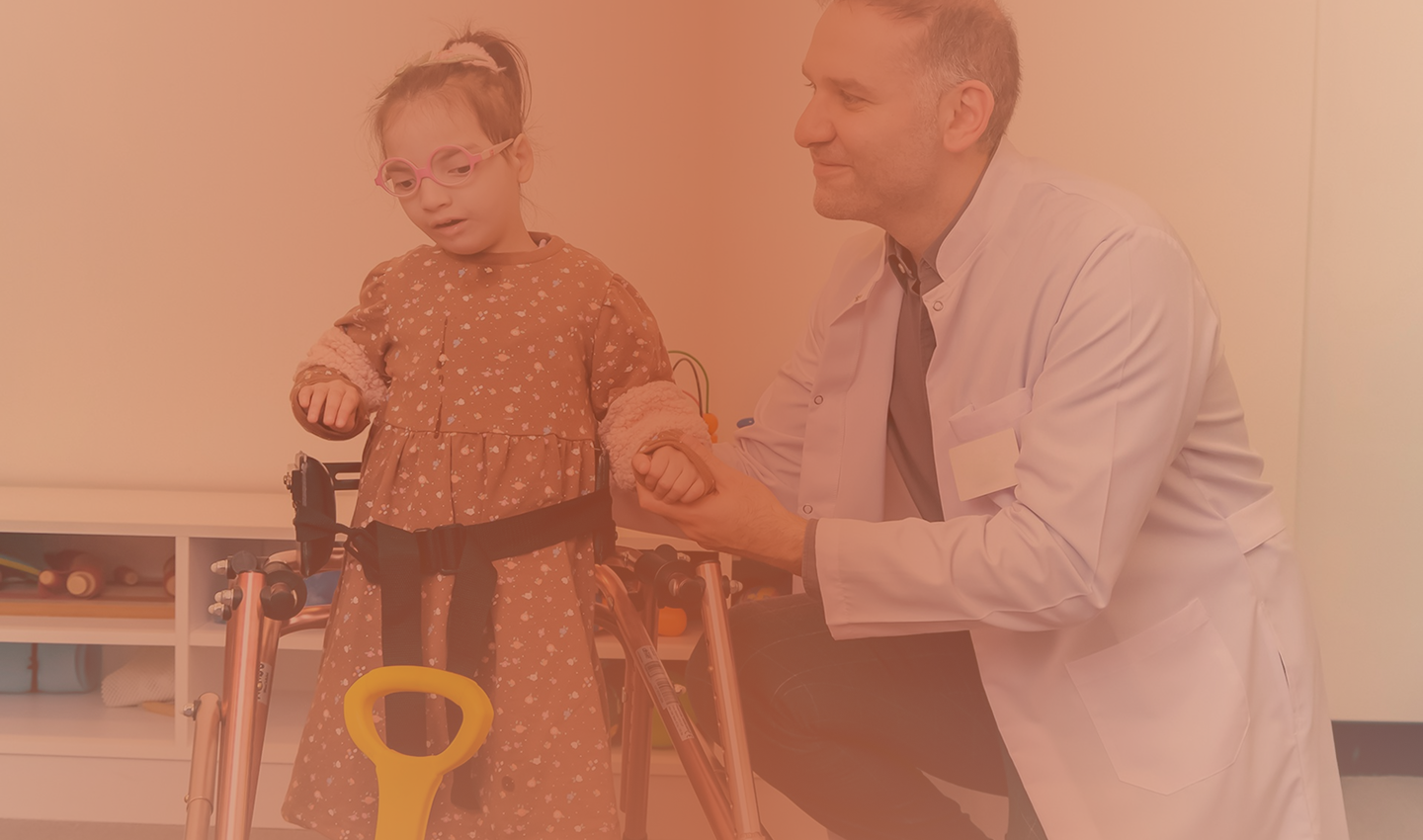
Where to Begin
Speak with our team about your concerns, and we can help you understand the available assessment pathways.