
Clinical Services
Conditions We Treat
Multidisciplinary assessment and support for children and young people experiencing mental health, neurodevelopmental, behavioural, communication or learning difficulties. Our team works with each child and their family to understand how their needs affect everyday life and identify appropriate pathways for care.



Our Philosophy
Understanding YourChild's Needs
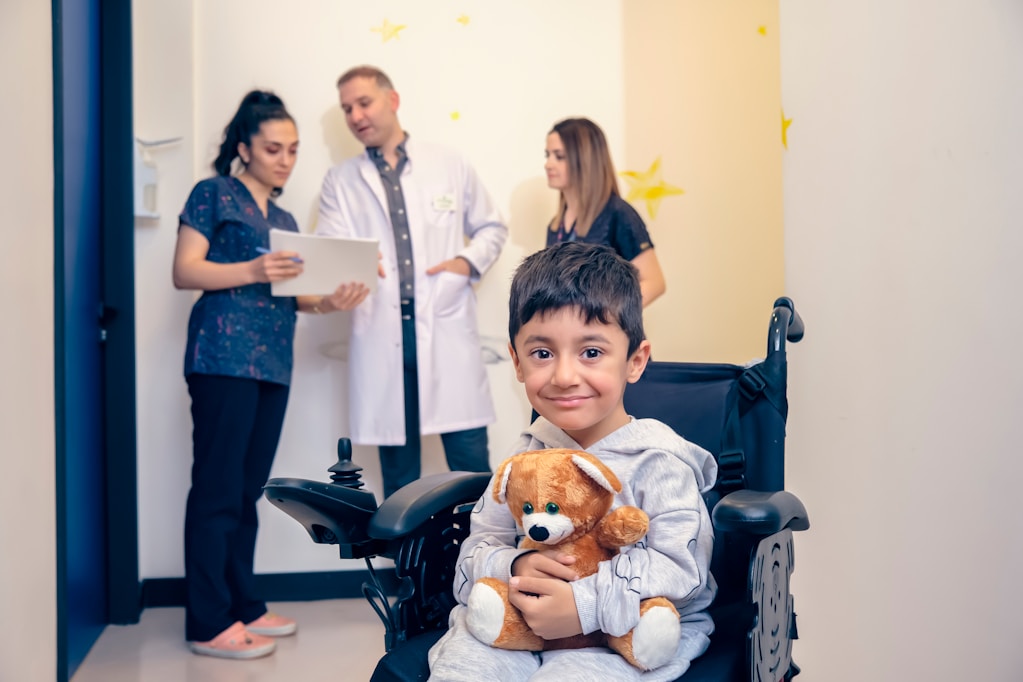
Mental health and neurodevelopmental needs can affect children and young people in different ways. Changes may appear in their emotions, behaviour, communication, relationships, learning or everyday routines.
At Hiba by Anthalora, we consider each child's individual experiences, strengths, development and wider environment. Our multidisciplinary team can provide assessment and support based on the child's presentation and the areas affecting their daily life.
Recognising a particular sign or behaviour does not necessarily mean that a child has a specific condition. A clinical assessment may be required to develop an appropriate understanding.
Our Clinical Services
Specialist Support, Working Together

ADHD
A neurodevelopmental condition that may affect attention, activity levels, impulse control, organisation and everyday functioning.
Learn More About ADHD
Autism Spectrum Disorder
A neurodevelopmental condition that may affect social communication, interaction, patterns of behaviour, interests and sensory experiences.
Learn More About Autism
Anxiety Disorders
Conditions involving persistent or excessive fear, worry or avoidance that may affect a child's wellbeing and participation in everyday activities.
Learn More About Anxiety Disorders
Depressive Disorders
Mental health conditions involving persistent changes in mood, interest, energy, concentration or everyday functioning.
Learn More About Depressive Disorders
OCD
A condition involving intrusive thoughts, images or urges and repetitive behaviours or mental acts performed in response to distress.
Learn More About OCD
Trauma-Related Disorders
Difficulties that may develop following traumatic experiences and affect a child's sense of safety, emotions, relationships or everyday functioning.
Learn More About Trauma Disorders
Speech & Language
Difficulties affecting speech, understanding language, expressing thoughts or participating in social and learning environments.
Learn More About Speech & Language
Global Developmental Delay
A condition where a child has significant delays across two or more areas of development, such as motor skills, speech and language, cognition or social skills.
Learn More About Global Developmental Delay
Intellectual Disability
A developmental condition involving difficulties with intellectual functioning and the adaptive skills used in everyday life.
Learn More About Intellectual Disability
Specific Learning Disorders
Persistent difficulties with academic skills such as reading, written expression or mathematics, including dyslexia and dyscalculia.
Learn More About Learning Disorders
Tic Disorders & Tourette
Conditions involving sudden, recurrent motor movements or vocalisations that a child may find difficult to control.
Learn More About Tic and Tourette
Emotional Dysregulation
Difficulties recognising, managing or recovering from strong emotional responses in a way that is appropriate for the child's age.
Learn More About Dysregulation
Behavioural Disorders
Persistent patterns of behaviour that may affect a child's relationships, education, family life or participation in everyday environments.
Learn More About Behavioural Disorders
Self-Harm
Intentional injury to the body, often occurring when a young person is experiencing or attempting to manage significant emotional distress.
Learn More About Self-Harm
Suicidal Ideation
Thoughts about death or ending one's life, which may range from passive thoughts to active suicidal intent or planning.
Learn More About Suicidal Ideation

When to Seek Support
Changes You MayNotice
Parents, caregivers or professionals may consider seeking advice when a child or young person experiences changes that:
These signs can have different causes and do not confirm a diagnosis. An initial consultation can help determine whether an assessment or another form of support may be appropriate.
Speak With Our TeamHow We Can Help
Support Based on the Individual Child
Depending on the child's needs, support may include:
An initial clinical consultation
Mental health assessment
Neurodevelopmental assessment
Psychological assessment
Occupational therapy assessment
Speech and language assessment
Educational assessment
Personalised clinical intervention
Parent or caregiver guidance
School recommendations
Ongoing monitoring and multidisciplinary review
Recommendations are made following an appropriate assessment and do not assume that every child will require a diagnosis or ongoing intervention.
Explore Assessments
Mental Health
Psychiatry
Occupational
Speech
Education
Psychology
Our Multidisciplinary Approach
One Coordinated Team
A child may experience needs across more than one area. Hiba by Anthalora brings together different clinical disciplines to develop a coordinated understanding of the child. Depending on the concerns identified, their care may involve:
With appropriate consent, the team may also work with families, schools and external professionals involved in the child's care.
Explore Our Clinical ServicesThe Clinical Pathway
The Care Journey
Every family receives a clear and structured journey, from the first referral through to personalised intervention and ongoing progress reviews.

Urgent and Crisis Support
If a Child or Young Person Is at Immediate Risk
Hiba by Anthalora is an outpatient mental health service and does not provide emergency or crisis intervention. If a child or young person is in immediate danger, at risk of harming themselves or others, or requires urgent medical or psychiatric attention, contact the appropriate UAE emergency service or attend the nearest emergency department.
Please do not wait for an outpatient appointment in an emergency. The final emergency contact details and wording should be approved by Hiba's clinical governance team before publication.
Where to Begin
Not Sure What Support Your Child Needs?
Speak with our team about your concerns, and we can help you understand the available pathways and appropriate next steps.


